Sleep hygiene: which tips work and when they are not enough to sleep well
Coffee in the late afternoon, your phone in bed, long naps and a schedule all over the place. What sleep hygiene is, which tips really work and how to tell if what you have is already insomnia.
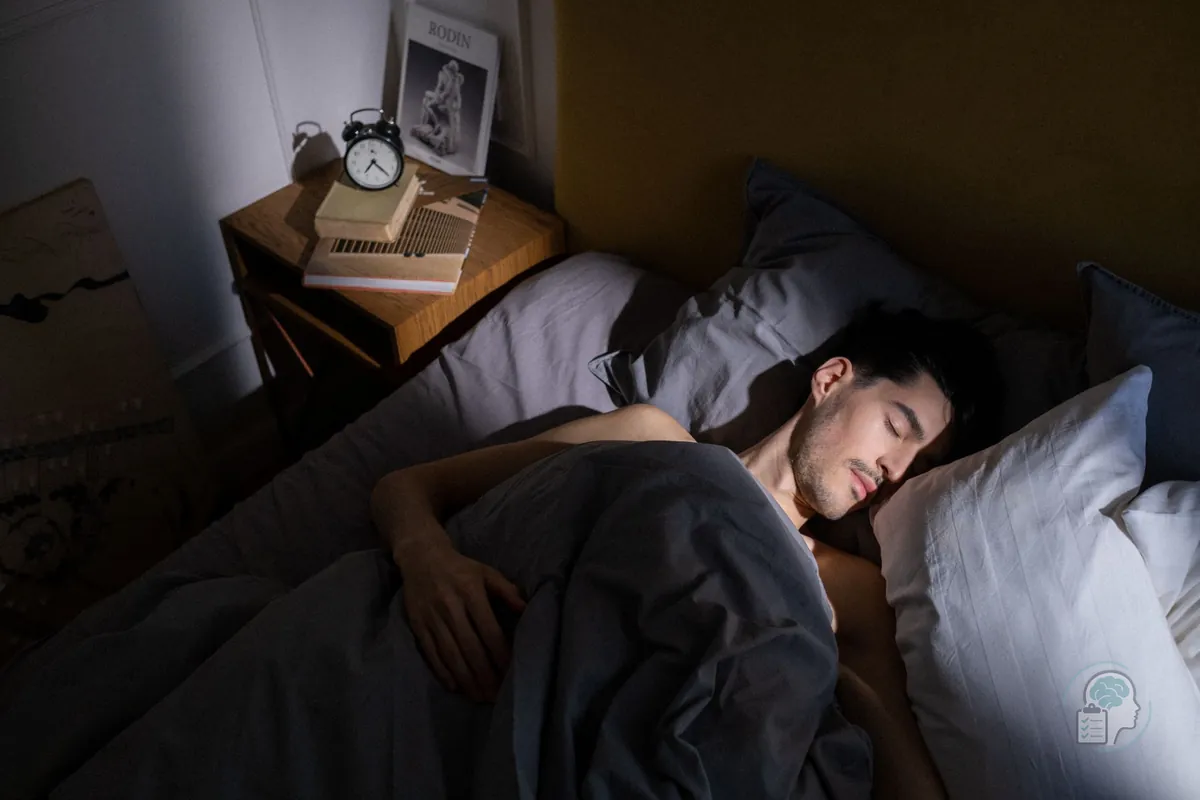
It is half past twelve and you are still scrolling in bed. You had your last coffee at six because the afternoon was dragging, at the weekend you slept until eleven to "catch up" and on Monday getting up feels impossible. None of these things seems serious on its own. Together, they add up to poor sleep hygiene.
The phrase sounds like old-fashioned advice, but there are real studies behind it. This guide explains which tips are backed by evidence and why, what research says about how useful they really are and, above all, when poor sleep is no longer a matter of habits but of insomnia, which is treated differently.
What is sleep hygiene?
Sleep hygiene is the set of habits and environmental conditions that help you sleep well: your schedule, light, caffeine, alcohol, exercise and your bedroom itself. The NHS sums up the idea on its insomnia page: sleep often improves by changing your sleeping habits.
Two things are worth being clear about from the start. First, each tip has some basis on its own: a review by Irish and colleagues, published in Sleep Medicine Reviews, concluded that research generally supports a link between each recommendation and night-time sleep. Second, that does not mean sleep hygiene cures insomnia, as we will see below.
Sleep hygiene tips that are backed by evidence
These are the recommendations on the NHS insomnia page for sleeping better:
| Do | Avoid |
|---|---|
| Only go to bed when you are sleepy | Smoking or drinking alcohol, tea or coffee in the six hours before bed |
| Get up at the same time every day | Eating a big meal late at night |
| Spend at least an hour relaxing before bed, with a bath or a book | Exercising in the four hours before bed |
| Keep your bedroom dark and quiet, with curtains, an eye mask or ear plugs if needed | Watching TV or using your phone or other screens right before bed |
| Exercise regularly during the day | Napping during the day |
| Make sure your mattress, pillows and covers are comfortable | Sleeping in after a bad night |
Some of these tips have studies behind them that explain well why they work.
A fixed time to get up
Of all the tips, the morning one is the most often forgotten. The NHS recommends getting up at the same time every day and not sleeping in after a bad night, but sticking to your usual hours instead. It follows the same logic as stimulus control, one of the techniques the American Academy of Sleep Medicine suggests for chronic insomnia: bed is for sleeping, and your wake-up time stays fixed.
Caffeine: six hours before bed is safer
The NHS advises against coffee and tea in the six hours before going to bed, and there is a study to back it up. Drake and colleagues gave participants a high dose of caffeine (400 mg) at bedtime, three hours before or six hours before, and compared their sleep at home with a placebo. All three disrupted sleep significantly, including the dose taken six hours before. If you go to bed at midnight, have your last coffee before six.
Alcohol: you fall asleep sooner, but sleep worse
It is one of the most common traps. A review by Ebrahim and colleagues of studies in healthy people concluded that alcohol, at any dose, makes you fall asleep faster and consolidates the first half of the night, but increases disruption in the second half. It also delays the first period of REM sleep and, at moderate and high doses, reduces total REM. It is no coincidence that the NHS lists it among the most common causes of insomnia.
Screens: it is not just what you see, it is also the light
The NHS advises against TV and phones right before bed because the blue light makes you more awake. An experiment by Chang and colleagues at Harvard Medical School compared reading before bed on a light-emitting e-reader and in a printed book. With the screen, participants took longer to fall asleep, felt less sleepy in the evening, produced less melatonin, had their body clock pushed later and were less alert the next morning. The authors also point out that, in a survey of 1,508 American adults, 90% used some kind of electronic device in the hour before bed at least a few nights a week.
Exercise, the bedroom and naps
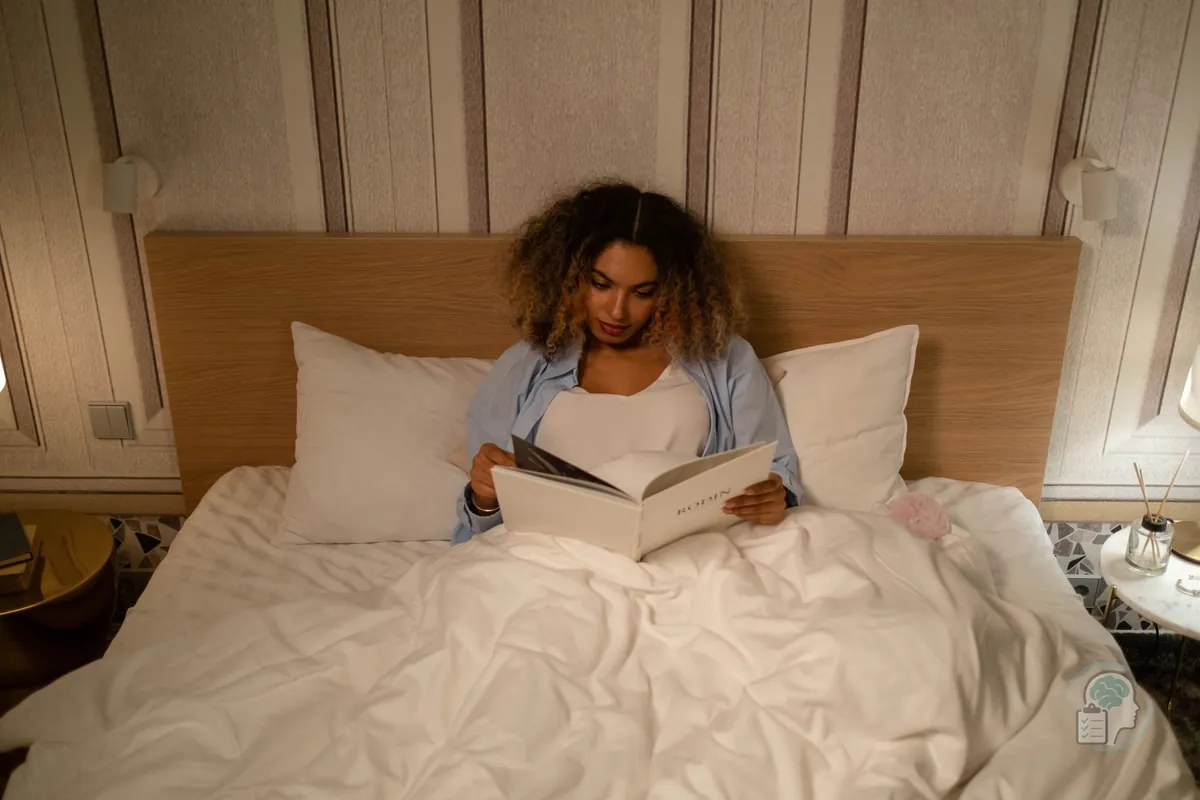
Regular exercise helps, but the NHS advises avoiding it in the four hours before bed. In the bedroom, what matters is that it is dark and quiet and neither too hot nor too cold: the NHS lists noise and a room that is too hot or cold among the most common causes of insomnia. And if you sleep badly at night, napping does not help; the NHS recommends not napping during the day.
Why sleep hygiene is not enough to treat insomnia
This is the nuance that almost no list of tips mentions. The American Academy of Sleep Medicine clinical guideline for chronic insomnia in adults strongly recommends cognitive behavioural therapy for insomnia (CBT-I) and suggests not using sleep hygiene as a single-component treatment. The Irish review starts from the same observation: sleep hygiene has proved ineffective as a treatment in clinical sleep medicine, even though each of its components is linked to better sleep.
Why? When insomnia becomes chronic, other mechanisms come into play: the bed becomes associated with lying awake, worrying about not sleeping makes you even more alert and the hours spent awake in bed keep the problem going. These are tackled with specific techniques, such as stimulus control, sleep restriction or relaxation, which the same guideline does suggest, and with CBT-I, which combines them. If your mind starts going round in circles as soon as you turn off the light, we explain why in Overthinking: why you cannot stop turning things over.
Good sleep hygiene is still useful: it is part of CBT-I and helps keep things from getting worse. But if you have been looking after it for weeks and still sleep badly, the problem is probably no longer your habits.
When poor sleep becomes insomnia
The NHS describes insomnia as regularly finding it hard to go to sleep, waking up several times during the night or too early, not feeling rested, or feeling tired, irritable or unable to concentrate during the day. If it lasts less than three months it is short-term insomnia; if it lasts three months or longer, it is long-term insomnia. It recommends seeing a GP if changing your sleeping habits has not helped, if you have had trouble sleeping for months or if it is making it hard to cope with daily life.
What the insomnia test measures
To put some numbers on it before seeking advice, the MyPsicoTest Insomnia Test has 12 questions about the last two weeks and takes about three minutes. It groups your answers into three areas:
- Difficulties during the night: taking a long time to fall asleep, waking up, waking too early or getting up without feeling rested.
- Daytime consequences: tiredness, trouble concentrating, irritability and how it all affects your life.
- Worry and habits: tension when you go to bed, screens in bed and caffeine or alcohol to keep going or to fall asleep. This is the part most closely related to sleep hygiene.
The score ranges from 0 to 48 and falls into four bands, from "no significant indicators" to "high indicators". You do not need to sign up, and your answers are not sent to any server. If your score is moderate or high, or if you have been sleeping badly for more than three months, a professional assessment is the next step.
Other tests that can help
Insomnia and anxiety feed each other. If worries are what keeps you awake, the Anxiety Test will help you see whether something more is going on, and the Stress Test will show how much pressure you carry through the day. If your mind speeds up as soon as you go to bed, you may also find Anxiety at night: why it hits when you go to bed and how to stop it useful. All the questionnaires, free and anonymous, are in the psychological tests catalogue.
What to do if sleep hygiene is not enough
The next step is CBT-I. The NHS explains that a GP may offer it, either face to face with a therapist or through an online self-help programme, and that it helps you change the thoughts and behaviours that keep you from sleeping. Sleeping pills are rarely prescribed now: the NHS warns that they can have serious side effects and you can become dependent on them, and that sleep aids from a pharmacy should only be used for one to two weeks.
If you snore heavily, someone notices pauses in your breathing or you fall asleep anywhere, talk to your doctor: these can be symptoms of other sleep disorders, such as sleep apnoea, which need their own assessment. And if insomnia comes hand in hand with anxiety or low mood, at the end of the test you will find our recommendation of a licensed psychologist who works with anxiety and depression, online too.
If your result worries you or you want a professional assessment, you can talk to Xènia Capel Salcedo, a licensed psychologist (COPC reg. 14982), who offers a free first consultation call and online therapy from anywhere.
MyPsicoTest team · Updated:
FAQ
Frequently asked questions
What is sleep hygiene?
It is the set of habits and conditions that help you sleep well: a regular schedule, little light and few screens at night, no caffeine or alcohol in the hours before bed, exercise during the day and a dark, quiet and comfortable bedroom.
What are the most important sleep hygiene tips?
Get up at the same time every day, only go to bed when you are sleepy, avoid coffee, tea, alcohol and tobacco in the six hours before bed, put screens away before sleep and do not nap if you sleep badly at night.
How many hours before bed should you stop drinking coffee?
At least six. A study with a high dose of caffeine found that it disrupted sleep even when taken six hours before bed, and the NHS recommends avoiding coffee and tea during that time.
Does alcohol help you sleep?
It helps you fall asleep sooner, but it makes sleep worse: it increases disruption in the second half of the night and delays REM sleep. Using it as a sleeping aid usually leads to poorer rest.
Is it better to read a book than a phone before bed?
Yes. In one experiment, reading on a light-emitting screen before bed made people take longer to fall asleep, produce less melatonin and feel less alert the next day than reading a printed book.
Does sleep hygiene cure insomnia?
On its own, it is usually not enough. Clinical guidelines recommend cognitive behavioural therapy for insomnia (CBT-I), which includes sleep hygiene alongside other techniques, and advise against using sleep hygiene as the only treatment for chronic insomnia.
Is napping good if I sleep badly?
If you have trouble sleeping at night, the NHS recommends not napping during the day, and not sleeping in after a bad night either: it is better to stick to your usual hours.
Related articles
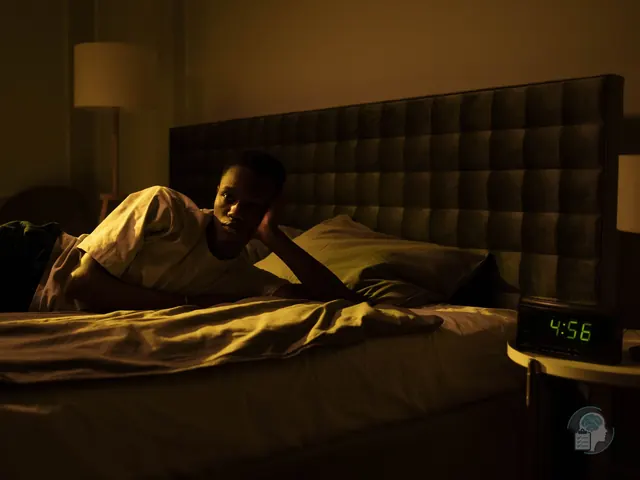
Waking up too early and can't get back to sleep: causes, what to do and when it is insomnia
You open your eyes a few minutes before five and there is no way back to sleep. Why early morning waking happens, what to do and which test can help you measure it.
Therapy for insomnia: what treatment involves, how long it takes and how to choose
It is 3:33 and you check the clock again. When to see a psychologist for insomnia, what the therapy that guidelines recommend is like from the inside and where sleeping pills fit in.
Anxiety at night: why it hits when you go to bed and how to stop it
You hold it together all day and, the moment the light goes off, your heart races and your mind will not stop. Why anxiety waits for night-time and what works to stop it.