Orthorexia: what it is, symptoms and when healthy eating becomes a problem
You read every label, have cut out whole food groups and breaking a rule makes you feel guilty. What orthorexia is, how to recognise it and which test can guide you.
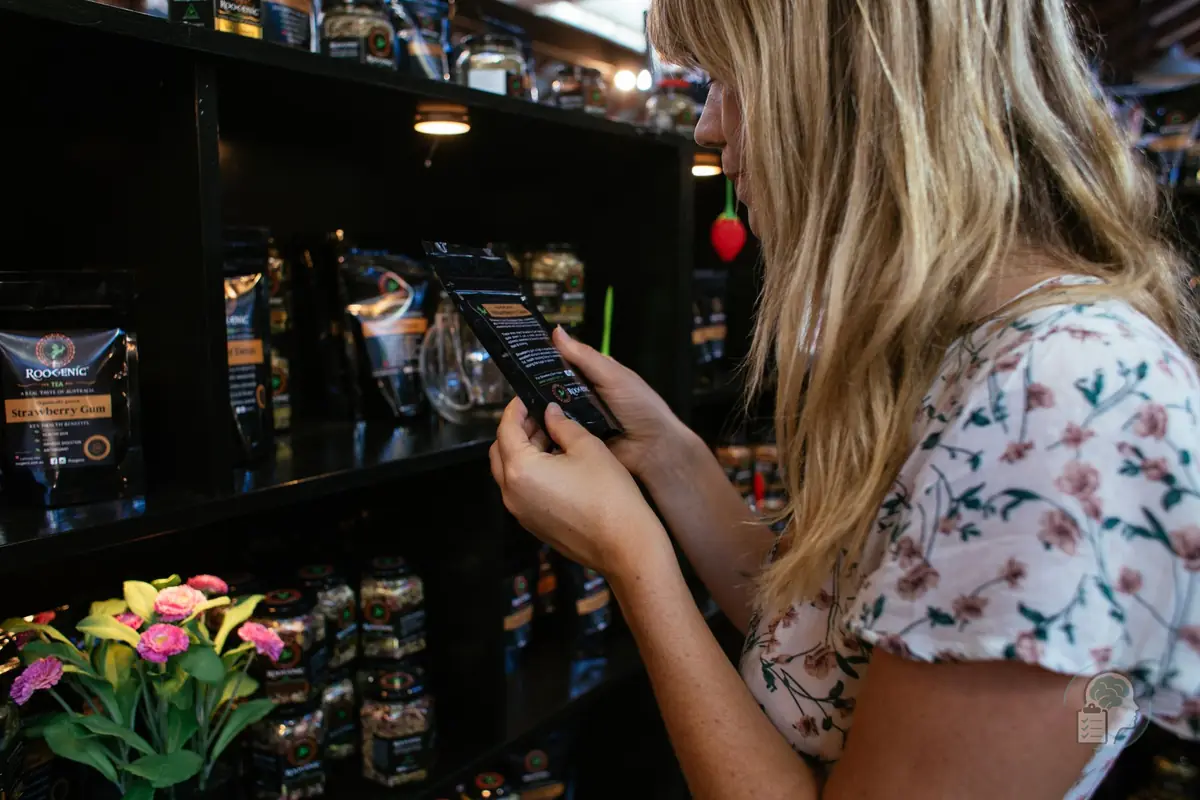
You started by cutting out sugar. Then ultra-processed food, later gluten, then lactose and anything with an ingredient you could not pronounce. Now you read every label, you always cook for yourself and a meal out makes you more anxious than excited. Everyone tells you that you eat brilliantly. You do not feel that well.
Orthorexia describes the point at which healthy eating stops looking after you and starts taking over. This guide explains what it is, what its symptoms are, how it differs from healthy eating and from anorexia, why it happens and which test can help you see whether your relationship with food shows warning signs.
What is orthorexia?
The term was coined in 1997 by the American physician Steven Bratman, in an article for a yoga magazine. Years later, in a review written with Thomas Dunn, they defined it like this: people who restrict their diet not by the quantity of food but by its quality, and whose extreme diets, intended for health reasons, end up leading to malnutrition or difficulties in daily life.
A review by Koven and Abry describes it as a pathological obsession with "proper" nutrition, with a restrictive diet, ritualised patterns of eating and rigid avoidance of foods the person believes to be unhealthy or impure. What starts as a wish to be healthy can end in nutritional deficiencies, medical complications and a poorer quality of life.
One important point: orthorexia nervosa is not currently an official diagnosis. According to the UK eating disorder charity Beat, someone who saw a doctor with these symptoms would not be officially diagnosed with "orthorexia", although the term may come up. It may fit a diagnosis of anorexia, if the criteria are met, or the category of "other specified feeding or eating disorder".
Symptoms of orthorexia
Beat's guide to orthorexia groups the signs into three types. You do not have to show all of them.
Behavioural signs
- Cutting out foods or whole food groups to eat "more healthily", and more and more of them over time.
- Taking an existing theory about healthy eating and adding rules of your own.
- Judging what other people eat.
- Focusing so much on food that it interferes with work or relationships.
- Poor concentration.
Emotional signs
- Feeling unable to set aside your rules about what you can and cannot eat, even if you want to.
- Anxiety, guilt or a sense of being "unclean" after eating something you consider unhealthy.
- Your wellbeing depending on having eaten the "right" food.
- Low mood.
Physical signs
If the diet leaves out important nutrients or food groups, signs of malnutrition can appear: weight loss, weakness, tiredness, low energy, feeling cold or taking a long time to recover from illness.
Healthy eating or orthorexia: where is the line?
Beat stresses something worth repeating: following a healthy eating plan does not mean you have orthorexia. The difference lies not in what you eat but in how you live with it. An international review by Cena, Bratman, Dunn and other authors found three features shared by the various proposed criteria: an obsessive preoccupation with healthy eating, emotional distress when your own rules are broken, and impairment in daily life, including malnutrition and weight loss.
| Healthy eating | Orthorexia | |
|---|---|---|
| The rules | Flexible, adapting to each situation | Rigid, and there are more and more of them |
| If you break them | Nothing much happens | Anxiety, guilt or a sense of impurity |
| How much space it takes | One part of your life | A large part of your thoughts |
| Eating out or with others | You enjoy it | You avoid it or find it stressful |
| Your wellbeing | Does not depend on each meal | Depends on eating the "right" food |
Why orthorexia happens
Beat explains that, as with other eating disorders, "clean" or "healthy" eating is used to cope with negative thoughts and feelings or to feel in control. It is not a matter of willpower.
Surroundings matter too. In a study by Turner and Lefevre of 680 social media users who followed health food accounts, higher Instagram use was linked to more orthorexia symptoms, and it was the only platform with a clear effect. Age and body mass index made no difference.
Koven and Abry also point out that orthorexia shares symptoms with anorexia, obsessive-compulsive disorder and health anxiety, among other conditions. If what drives you is mainly a fear of getting ill, Health anxiety: what hypochondria is and how to break the loop may help.
How common is orthorexia? Why the figures do not add up
If you look for numbers, you will find alarming percentages. A Norwegian meta-analysis estimated that 55% of people who exercise had orthorexia, and in the Instagram study the figure was 49%, compared with less than 1% that the authors quoted for the general population. These numbers need to be read carefully: the meta-analysis itself found huge differences between studies, which depended partly on the questionnaire used.
The problem runs deep. The review by Cena and colleagues concluded that there is no shared definition of orthorexia, that diagnostic criteria are still being debated and that the most widely used questionnaires, the ORTO-15 and Bratman's test, have flaws. That is why a high score on them does not mean you have a disorder.
Orthorexia and anorexia: how they are alike and how they differ
Both can lead to restricting food and losing weight. According to Dunn and Bratman, in orthorexia the restriction revolves around the quality of what is eaten, not the quantity. Beat adds that someone with symptoms of orthorexia may be diagnosed with anorexia if they also meet its criteria, and that treatment often follows the approaches used for anorexia and OCD because of the features they share.
If your food rules feel more like rituals you cannot stop and come with other obsessions, the OCD Test can help you see whether there is a broader obsessive pattern.
Is there an orthorexia test?
Research mainly uses the ORTO-15 and Bratman's test, with the limitations we have just seen. Neither is meant for diagnosing yourself at home.
MyPsicoTest does not have a specific orthorexia test. What we do have is the Eating Disorder Test, which picks up several of its signs. Its first statement is: "I set myself strict rules about what, how much or at what time I am allowed to eat, and I feel bad about myself if I break them." Another reads: "I need to control everything I eat in detail (counting, weighing, checking labels) and I get anxious if I cannot." There are 14 statements about the last three months, answered in about four minutes according to how often each applies, grouped into three areas:
- Restriction and control: rigid rules, detailed control over what you eat, thinking for much of the day about what you "should" be eating or avoiding eating in front of others. This is the area closest to orthorexia.
- Bingeing and compensation.
- Body image and self-esteem, which includes guilt after eating and whether people close to you have worried about the way you eat.
The score ranges from 0 to 56 and falls into four bands. You do not need to sign up, and your answers are not sent to any server. The test does not detect orthorexia as such, but it does pick up the restriction and control behaviours that characterise it, and it tells you whether it is worth getting advice. All the questionnaires, free and anonymous, are in the psychological tests catalogue.
What to do if you recognise yourself
Beat recommends seeing a doctor if you recognise these signs in yourself or someone close to you. Even though there is no official diagnosis of orthorexia, professionals can assess the symptoms and decide what treatment is needed. That treatment is usually multidisciplinary and includes monitoring physical health and nutritional status, psychological therapy and support from a dietitian. Koven and Abry note that, although outcome studies are lacking, current best practice combines cognitive behavioural therapy, psychoeducation and medication.
In the meantime, some ideas:
- Notice how much space food takes up in your head. If you think about it for hours every day, that is a signal worth listening to.
- Watch what happens when you break a rule. A little discomfort is normal; intense guilt or a sense of being "unclean" is not.
- Do not keep adding bans. If your list of allowed foods keeps shrinking, it is time to ask for help.
- Talk to someone you trust. If you are the one worried about someone else, we explain how to approach it in How to help someone with an eating disorder: what to say and what to avoid.
If eating has become a source of anxiety, therapy is the route with the most evidence behind it. At the end of the test you will find our recommendation of a licensed psychologist who works with eating disorders, online too.
If your result worries you or you want a professional assessment, you can talk to Xènia Capel Salcedo, a licensed psychologist (COPC reg. 14982), who offers a free first consultation call and online therapy from anywhere.
MyPsicoTest team · Updated:
FAQ
Frequently asked questions
What is orthorexia?
It is an obsession with eating "correctly" or "purely" that leads people to restrict their diet based on the quality of food, with rigid rules and anxiety or guilt when they break them. The term was coined by the physician Steven Bratman in 1997.
Is orthorexia an eating disorder?
It is not recognised as an official diagnosis, but it is considered a form of disordered eating that can be serious. According to Beat, it may be diagnosed as anorexia, if the criteria are met, or as another specified eating disorder.
What is the difference between healthy eating and orthorexia?
Healthy eating is flexible and does not take over your life. In orthorexia, the rules are rigid and keep multiplying, breaking them causes anxiety or guilt, and food takes up much of your thinking and crowds out other parts of your life.
What is the difference between orthorexia and anorexia?
In orthorexia, restriction revolves around the quality of food and a health goal, not the quantity, although it can end in weight loss. The two share features and sometimes overlap.
What are the symptoms of orthorexia?
Cutting out more and more foods, following rules you cannot break, feeling anxious or guilty after eating something "unhealthy", judging what others eat, food interfering with your life and, if the diet is very restrictive, signs of malnutrition such as tiredness, weakness or weight loss.
Is there an orthorexia test?
Research uses the ORTO-15 and Bratman's test, although both have limitations. At MyPsicoTest, the eating disorder test includes several restriction and control signs linked to orthorexia and helps you see whether it is worth getting advice.
Can orthorexia be treated?
Yes. There is no approved treatment specifically for orthorexia, but it is usually approached like other eating disorders, with a team that includes medical and nutritional monitoring, support from a dietitian and psychological therapy, especially cognitive behavioural therapy.
Related articles

Therapy for binge eating disorder: treatment, what therapy involves and how to choose
You eat a lot in a short time, unable to stop, and then come the guilt and shame. When to seek help for binge eating disorder and what the therapy that works looks like.

How to help someone with an eating disorder: what to say and what to avoid
They leave the table in a hurry, skip dinners, say they have already eaten. How to help someone with an eating disorder: how to talk to them, what not to say and what to do at home while help arrives.
Emotional eating: why it happens and how to tell it from real hunger
It is eleven at night, you are not hungry, and you have spent twenty minutes in front of an open fridge. This is not a willpower problem. What emotional eating is and what helps.