Emotional abuse in relationships: signs, effects and how to get out
There are no blows, but every day you recognise yourself a little less: you doubt yourself, you no longer see your friends and everything revolves around not setting him off. How to recognise emotional abuse and get out.
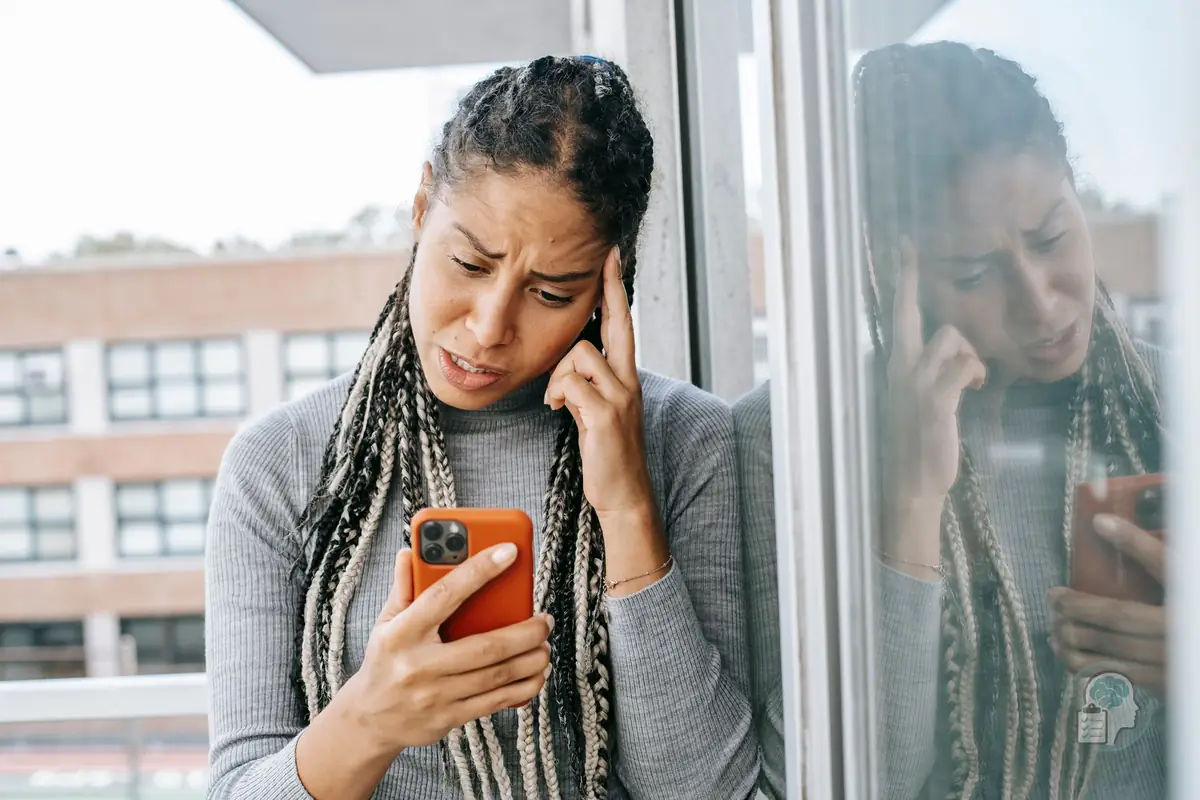
He has never laid a finger on you. But he checks your phone "because you have nothing to hide, right?", he makes jokes about you in front of his friends that you do not find funny and, when you complain, it turns out you are overreacting. You have stopped seeing your best friend because every time you met up there was a row. You apologise a lot, although you could not say exactly why. And you are starting to doubt your own memory.
Emotional abuse in relationships is real, it is common and it leaves a mark, even if it leaves no bruises. That is why it is so hard to recognise, even from the inside. This guide explains what it is, what the signs are, what it leaves behind, where to get free help and how therapy helps you recover once it is over.
If you are in danger right now, call 112 or your local emergency number.
What emotional abuse in a relationship is
The World Health Organization defines intimate partner violence as behaviour by a partner or ex-partner that causes physical, sexual or psychological harm, and it explicitly includes psychological abuse and controlling behaviours. In Spain, Organic Law 1/2004 on comprehensive protection against gender-based violence covers every act of physical and psychological violence, including threats and coercion, when it is committed by men against women who are or have been their partners, even if they have never lived together.
The NHS sums it up in one sentence: there are different kinds of abuse, but it is always about having power and control over you. That is the difference from a relationship that is simply going badly, or from the arguments every couple has. In an argument, two people disagree; in abuse, one person takes up more and more of the other's life, and the other becomes more and more afraid.
Signs of emotional abuse in a relationship
The NHS suggests a series of questions to help recognise it. If you answer yes to any of them, you may be in an abusive relationship.
They make you feel small
- They belittle you or put you down, in private or in front of others.
- They blame you for the arguments or for the abuse itself: "look what you made me do".
- They deny that things happened, or play them down. This is what is popularly called gaslighting: after hearing again and again that you are exaggerating or making it up, you end up distrusting your own judgement.
They isolate you
- They cut you off from your family and friends, sometimes gradually, sulking every time you see someone.
- They stop you studying or working, or make it hard.
- They make constant, unreasonable demands for your attention.
- They accuse you of flirting with other people or having affairs.
They control you
- They tell you what to wear, who to see, where to go and what to think.
- They control the money, or do not leave you enough for the basics.
- They monitor your social media, read your messages or emails, use your phone's location to know where you are, or share photos or videos of you without your consent.
They intimidate you
- They threaten to hurt you or kill you.
- They break things that belong to you.
- They invade your personal space and stand over you to impose themselves.
- They threaten to take their own life or to harm the children.
- They follow or stalk you.
Two more questions sum up all the others: are you afraid of your partner? Have you changed the way you behave because you are afraid of how they will react? The NHS adds something important: if what you are going through does not appear on any list, that does not mean it is not abuse.
Why it is so hard to see, and to leave
It may not start like this. Sometimes it begins with gestures that can be mistaken for interest or "normal" jealousy, and the control grows slowly. When you are isolated, you lose precisely the people who could tell you that this is not normal. When you are blamed and what happens is denied, you start to believe that you are the problem. The NHS also points out that domestic abuse against women often starts during pregnancy, and that if the relationship is already abusive, it can get worse.
The first step to getting out, says the NHS, is realising that you are not alone and it is not your fault. Some people are more inclined to depend emotionally on a partner, and that can make leaving harder, but dependence does not cause the abuse: the abuser does. If you want to understand that part of yourself, the Emotional Dependency Test can help you put a name to it, and its page explains the link between dependence, toxic relationships and violence.
The effects of emotional abuse
No blows does not mean no harm. The WHO lists among the consequences of intimate partner violence depression, post-traumatic stress disorder and other anxiety disorders, sleep difficulties, alcohol problems and suicide attempts, as well as headaches, chronic pain and digestive problems. It also notes that these health problems can appear in both the short and the long term.
Three of these effects deserve particular attention:
- Shattered self-esteem. After years of hearing that you are worthless, that you do not know what you are doing or that you are exaggerating, it is hard to believe otherwise. The Self-Esteem Test helps you measure where it stands today.
- Anxiety and constant alertness. Still checking your phone with a knot in your stomach, jumping at a noise or apologising for everything, even when the relationship is over. The Anxiety Test measures that part.
- Post-traumatic stress. The NHS includes domestic abuse among the causes of PTSD, and when the violence has been prolonged, the complex form can appear. We explain it in PTSD: symptoms, when to get help and which treatments work.
If thoughts of harming yourself appear, that is dealt with today: in Spain there is the 024 helpline, free, confidential and available 24 hours a day; elsewhere, contact your local emergency services.
How to get out of emotional abuse: where to get help
You do not have to do it alone, and you do not have to wait for physical violence before asking for help. In Spain there is 016, the Ministry of Equality's service for every form of violence against women:
- It is free and confidential, and answers the phone 24 hours a day in 53 languages, including English.
- It also responds on WhatsApp at 600 000 016, through a chat on the Ministry's website and by email at 016-online@igualdad.gob.es.
- It offers information, legal advice and immediate psychosocial support from specialist staff, and passes emergencies on to 112.
- If you look for information on a device your partner can see, the official website itself recommends deleting your browsing history afterwards.
In addition, Organic Law 1/2004 treats immediate psychosocial support and legal, psychological and social guidance for victims as essential services, so there are public resources you are entitled to. Outside Spain, contact your local domestic abuse services.
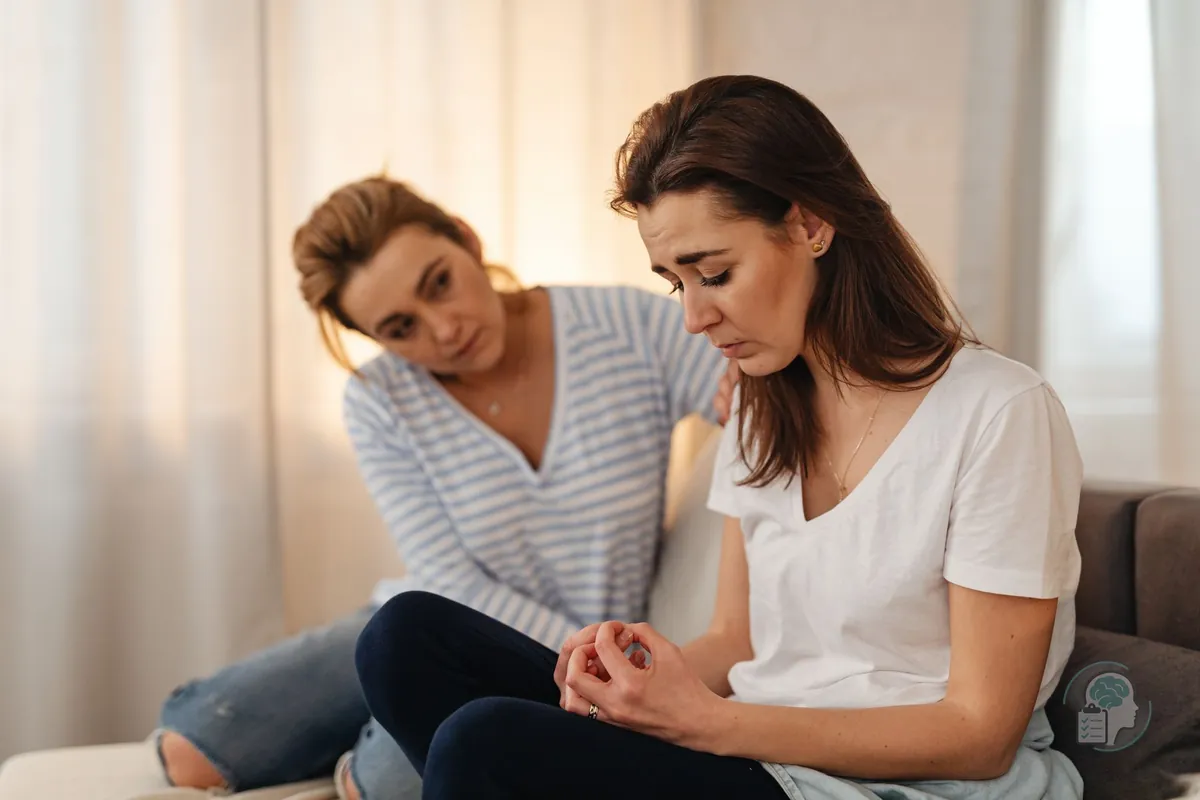
Telling someone you trust counts too. A friend, a sister, your GP. Breaking the isolation is often what lets you see the relationship from the outside for the first time.
Recovering afterwards: the role of therapy
Leaving the relationship does not erase what you have been through. It is not unusual, months later, to still feel on alert, to distrust your own judgement or to feel you have lost years. The effects can last, and they can be treated.
Therapy helps you rebuild your self-esteem, trust your judgement again, learn to recognise the signs if they appear in another relationship and, if there is post-traumatic stress, work through the trauma. For the latter, the therapies with the strongest backing are trauma-focused cognitive behavioural therapy and EMDR, which we explain in EMDR therapy: what it is, how it works and how it treats trauma. If the relationship has ended recently, you may also find Getting over a breakup: why it hurts so much and what actually helps useful.
One important precaution: if you still live with the person who is abusing you, therapy by video call only makes sense if you can connect from a private, safe place. If not, prioritise 016, which will point you to in-person resources.
At MyPsicoTest we recommend Xènia Capel Salcedo, a licensed clinical psychologist (COPC 14982) with a master's degree in Clinical Psychology and Psychotherapy, who lists gender-based violence among the specialties she works on, along with trauma treatment with EMDR. She sees clients in Igualada and Sant Sadurní d'Anoia and also through online therapy, and the first information call is free. If you have never had therapy by video call, read Online psychologist: how to choose well and what to expect from video-call therapy first.
If your result worries you or you want a professional assessment, you can talk to Xènia Capel Salcedo, a licensed psychologist (COPC reg. 14982), who offers a free first consultation call and online therapy from anywhere.
MyPsicoTest team · Updated:
FAQ
Frequently asked questions
What counts as emotional abuse in a relationship?
A pattern of behaviour through which one person exerts power and control over their partner: belittling, humiliating, blaming, denying what happened, isolating them from friends and family, controlling money, phone or clothing, and intimidating with threats. The WHO explicitly includes it within intimate partner violence.
How do I know if I am being emotionally abused?
Ask yourself whether you are afraid of your partner and whether you have changed how you behave to avoid their reaction. If you also feel increasingly alone, doubt your own judgement or apologise constantly, these are warning signs. In Spain you can call 016 to talk it through with specialist staff, even if you are not sure.
Is emotional abuse gender-based violence?
In Spain, yes, when it is committed by a man against a woman who is or has been his partner, even if they never lived together. Organic Law 1/2004 explicitly includes psychological violence, threats and coercion.
What effects does emotional abuse leave?
According to the WHO, intimate partner violence can cause depression, post-traumatic stress disorder and other anxiety disorders, sleep problems, alcohol problems and suicide attempts, as well as physical symptoms such as headaches or chronic pain. Self-esteem is often badly damaged.
Where can I get help if I am being emotionally abused?
In Spain, from 016, which is free and confidential and answers 24 hours a day by phone and also on WhatsApp at 600 000 016, by chat and by email. It offers information, legal advice and psychosocial support. If you are in danger, call 112. Elsewhere, contact your local domestic abuse services.
Can you recover from emotional abuse?
Yes. The effects can last, but they can be treated. Therapy helps you rebuild your self-esteem, trust your judgement again and, if there is post-traumatic stress, work through the trauma with approaches such as trauma-focused cognitive behavioural therapy or EMDR.
Can a man be emotionally abused in a relationship?
Yes. The NHS points out that anyone can experience abuse and anyone can be an abuser, including in same-sex relationships. In Spain, 016 deals with violence against women; anyone else can ask for help at their health centre or social services, and call 112 if there is danger.
Related articles

Therapy for emotional dependency: when to seek help and what therapy involves
You know the relationship is hurting you but cannot leave, or you jump from one partner to the next so as not to be alone. When to seek help for emotional dependency and what therapy involves.
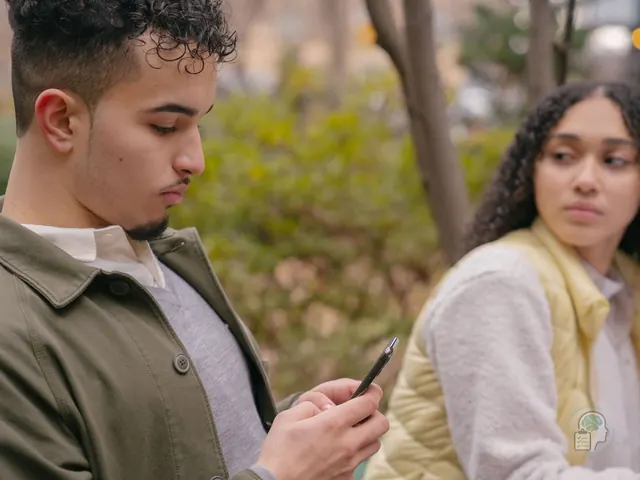
Jealousy in relationships: when it is normal and when it becomes a problem
You check when they were last online, ask who they were with and still cannot settle. When jealousy in relationships is normal, when it becomes a problem and which test can guide you.
Anxious attachment: what it is, signs in relationships and how to tell if you have it
One unanswered message and you already fear the worst. What anxious attachment is, where it comes from, how it shows in relationships, whether it can change and which test can help you see it more clearly.