Comparing yourself to others: why you always come off worse and how to stop
You look at other people's lives and yours always seems worse. Why comparing yourself to others costs so much, how it links to self-esteem and which test can help you measure it.
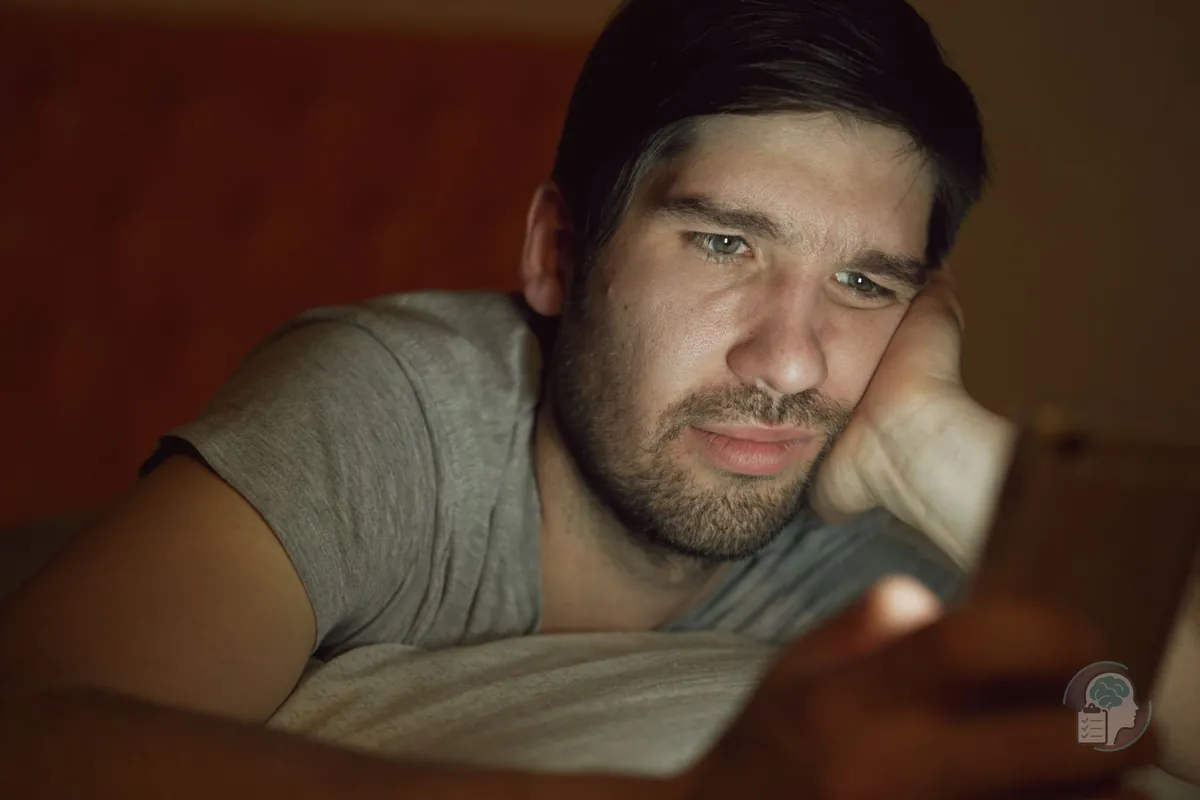
It is midnight and you are still on your phone. A former classmate has been promoted, a friend is showing off their new home and someone you barely know is running their third marathon. You close the app with a familiar feeling: everyone is moving forward except you.
Comparing yourself to others is something everyone does. The problem starts when you nearly always come off worse and that comparison decides how you see yourself. This guide explains why we compare ourselves, why it hurts so much, what role social media plays, when it points to low self-esteem, which test can help you check and how to stop doing it bit by bit.
Why we compare ourselves to others
The idea is more than seventy years old. Social comparison theory, put forward by the psychologist Leon Festinger in 1954, holds that people assess their abilities and opinions in relation to those of others, especially when there is no clear benchmark. Do I earn a little or quite a lot? Am I a good parent, good at my job, an interesting person? Often the answer comes from looking around.
What is curious is where we look. A meta-analysis by Gerber, Wheeler and Suls, reviewing more than sixty years of research, found that when people can choose who to compare themselves with and do not feel threatened, they clearly prefer to compare upwards, with someone who is doing better. And by far the most common reaction was contrast: comparing yourself with someone who outdoes you makes you see yourself as worse, especially in your abilities and your mood. The authors themselves wonder why we choose to compare upwards when the most likely result is feeling deflated.
Upwards and downwards
Comparing yourself with someone who is doing worse, a downward comparison, also works through contrast, just in the opposite direction: you feel better. But the same meta-analysis did not find it to be the preferred choice, not even when people felt threatened. As well as looking at others, there is comparison with your own past self, known as temporal comparison.
Social media and comparing yourself to others
On social media, everyone chooses what to show, so you compare yourself with other people's best version, edited and selected. A meta-analysis by Yoon and colleagues on social networks and depression found that spending more time on them or checking them more often was linked with more depressive symptoms, but the effect was small. The link was stronger with comparison: moderate when the comparisons were upward. In other words, how you compared yourself mattered more than how long you spent on the app. The authors warn that there were few studies on comparison and the results varied a lot, and since these are association studies they do not prove what causes what.
When comparing yourself is a sign of low self-esteem
Comparing yourself now and then is normal. It becomes a problem when it keeps happening, you nearly always come off worse and your worth depends on the result. The NHS explains that with low self-esteem we tend to see ourselves and our life in a more negative and critical light, that it often begins in childhood, when the message that you are not good enough is the one that stays with you, and that in the long run it can lead to avoiding challenges, hiding away and problems such as depression and anxiety.
Some signs that comparison is weighing on you:
- You nearly always come off worse, even when things are going well for you.
- You play down your achievements as soon as you see someone else's.
- You stop trying things because "other people do it much better".
- You need others to confirm that you are worth something.
- You come off social media in a worse mood than when you went on.
Sometimes it goes hand in hand with being too hard on yourself, when nothing you do feels good enough, as we explain in Being too hard on yourself: when high standards stop helping, or with the feeling that you do not deserve what you have, which we cover in Impostor syndrome: why you feel you are about to be found out.
Is there a test to check whether it affects your self-esteem?
Yes. The MyPsicoTest Self-Esteem Test has a whole area devoted to this, self-criticism and comparison, and one of its 14 statements is exactly "I compare myself with others and nearly always come off worse". Others in the same area help you see how much it weighs on you:
- "If I make a mistake, I speak to myself harshly and find it hard to forgive myself".
- "I demand so much of myself that nothing I do ever feels good enough".
And the self-worth area includes a statement that often comes with comparison: "Deep down, I believe I am not worth as much as I appear to be".
It takes about four minutes, thinking about how you usually see and treat yourself rather than just over the last few days, and each statement runs from "Strongly disagree" to "Strongly agree". The score runs from 0 to 42, with four levels (very low, low, average and healthy self-esteem), and it is broken down into three areas: self-worth and self-acceptance, self-criticism and comparison and autonomy and boundaries. That way you can see whether your difficulty is mainly comparison or whether it also affects how you value yourself or how hard you find it to set limits. The result is calculated on your device and your answers are not stored.
Other tests that may help
If comparison has been leaving you low for weeks, take the Depression Test too. And if what you find hardest is how others see you in meetings, conversations or online, the Social Anxiety Test helps you gauge your fear of being judged. All the questionnaires, free and anonymous, are in the psychological tests catalogue.

How to stop comparing yourself to others
The goal is not to stop looking at anyone, but for comparison to stop deciding how much you are worth. These steps follow what the NHS and research on self-compassion suggest:
- Notice when you do it. The NHS suggests writing down negative thoughts about yourself in a diary and asking yourself when you first started thinking them. You will see that comparison tends to flare up at particular moments: at night, on certain platforms or with certain people.
- Question the comparison. You are comparing yourself with a selection of the best of someone else's life. Look for evidence that challenges your conclusion, as the NHS recommends for negative beliefs.
- Make a list of what you are good at. The NHS suggests collecting at least five positive things about yourself, including what other people say about you, and keeping the list where you can see it.
- Use your own progress as the benchmark. Look at what you were doing a year ago or what you have learnt since. This is the temporal comparison we mentioned, and it compares you with someone who has lived through exactly your circumstances.
- Watch what feeds your comparisons. The NHS advises spending less time with people who bring you down; the same goes for the accounts you follow.
- Treat yourself as you would treat a friend. This is the NHS advice for when self-criticism kicks in. In a study by Neff and Vonk of more than 2,000 people, self-compassion, treating yourself kindly and recognising that making mistakes is human, was linked with more stable self-worth and less social comparison than global self-esteem. And a meta-analysis by Wakelin and colleagues, covering 19 trials and 1,350 participants, found that self-compassion-based interventions reduced self-criticism by a moderate amount.
When to seek help
If comparison has been with you for a long time, makes you avoid things that matter to you or comes with persistent low mood, seek help. The NHS notes that talking therapies such as counselling or cognitive behavioural therapy can help with low self-esteem. What that therapy works on and how to choose a professional are explained in Therapy for low self-esteem: when to seek help and what is worked on in therapy. And if you ever have thoughts of harming yourself, call the 024 line in Spain (free, confidential, around the clock), 112, or your local emergency number.
At the end of the test you will find our recommendation of a licensed psychologist who works with self-esteem and anxiety, online too.
If your result worries you or you want a professional assessment, you can talk to Xènia Capel Salcedo, a licensed psychologist (COPC reg. 14982), who offers a free first consultation call and online therapy from anywhere.
MyPsicoTest team · Updated:
FAQ
Frequently asked questions
Why do I compare myself to others so much?
Because it is a natural way to assess ourselves when there is no clear benchmark. Research shows that we tend to compare ourselves with people who are doing better, and that this usually makes us feel worse. If your self-esteem is low, comparison weighs even more.
Is it normal to compare yourself to others?
Yes. Everyone does it sometimes. It stops being trivial when you nearly always come off worse, it often makes you feel bad or it leads you to stop trying things.
Is comparing yourself to others a sign of low self-esteem?
It can be. Constantly comparing yourself and nearly always coming off worse is one of the signs of low self-esteem, especially if it comes with self-criticism, difficulty valuing your achievements or a need for approval.
Does social media make you compare yourself more?
It shows you other people's best version, which makes upward comparisons easier. A meta-analysis found that those comparisons on social media were linked with more depressive symptoms than time spent on it.
How do I stop comparing myself to others?
Notice when you do it, question what you are comparing yourself with, write down what you are good at, use your own progress as the benchmark and speak to yourself as you would to a friend. If that is not enough, therapy can help.
Can comparing yourself to others be a good thing?
Some theories suggest that comparing yourself with someone who outdoes you can inspire you, but a meta-analysis of more than sixty years of studies found that this effect is very weak and that the usual result is the opposite: coming off worse.
Is there a test to find out if I have low self-esteem?
Yes. The MyPsicoTest self-esteem test has 14 statements, one of which is about comparing yourself to others, and gives a result from 0 to 42 broken down into three areas. It is a guide and does not replace a professional assessment.
Related articles
Therapy for low self-esteem: when to seek help and what is worked on in therapy
You criticise yourself for everything, struggle to say no and nothing you do feels good enough. When to seek therapy for low self-esteem, what it involves and how to choose well.
Being too hard on yourself: when high standards stop helping
Nothing feels good enough, one mistake stays with you for days and celebrating what you do well is hard. What being too hard on yourself means, when it becomes a problem and how to tell.

Impostor syndrome: why you feel you are about to be found out
You get the job and instead of relief comes the calculation of how long before they notice. What impostor syndrome is, and why piling up achievements does not fix it.